
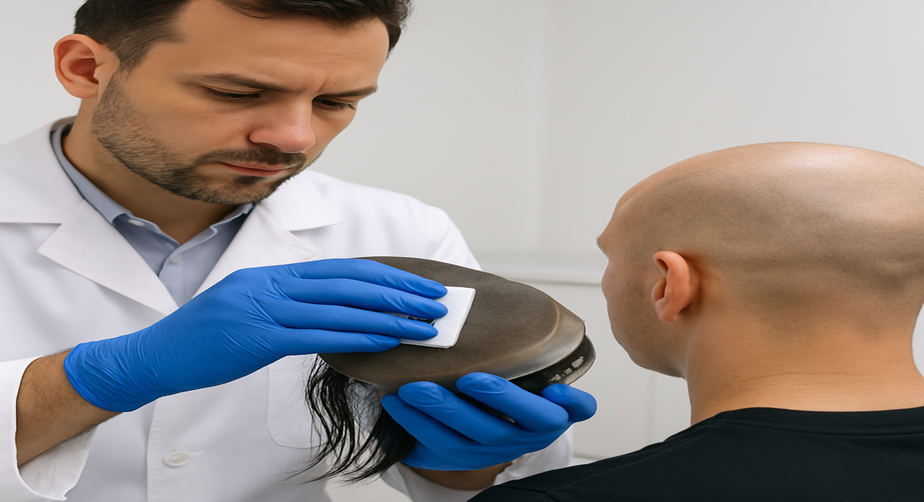
For anyone navigating hair loss, the choices often feel limited to two frustrating extremes: a generic “hairpiece” that risks shifting in the wind or a surgical transplant that feels overly invasive. This gap between temporary cosmetic fixes and permanent surgery led to modern prosthetic technology that is CNC hair system. This technology offers a solution that prioritizes lifestyle over compromise, especially through CNC hair replacement.
The CNC Hair System functions less like a traditional wig and more like a high-tech “second skin.” By utilizing Cesare Ragazzi 3D hair technology, specialists create a precise digital map of your head. This helps to engineer a custom 3D-printed hair prosthesis that mimics your scalp’s exact shape, tone, and texture is one of the key cnc benefits.
Crucially, this innovation prioritizes long-term skin health through advanced materials. The base is crafted from biomedical polymers that are biocompatible meaning they are breathable and dermatologically tested. And these won’t irritate your skin or cause reactions. This medical-grade construction ensures the system withstands daily showers, high-impact sports, and humidity. It also allows you to treat the hair exactly as if it were your own, reinforcing major cnc benefits.
How 3D Scalp Mapping Eliminates the Need for Messy Adhesives
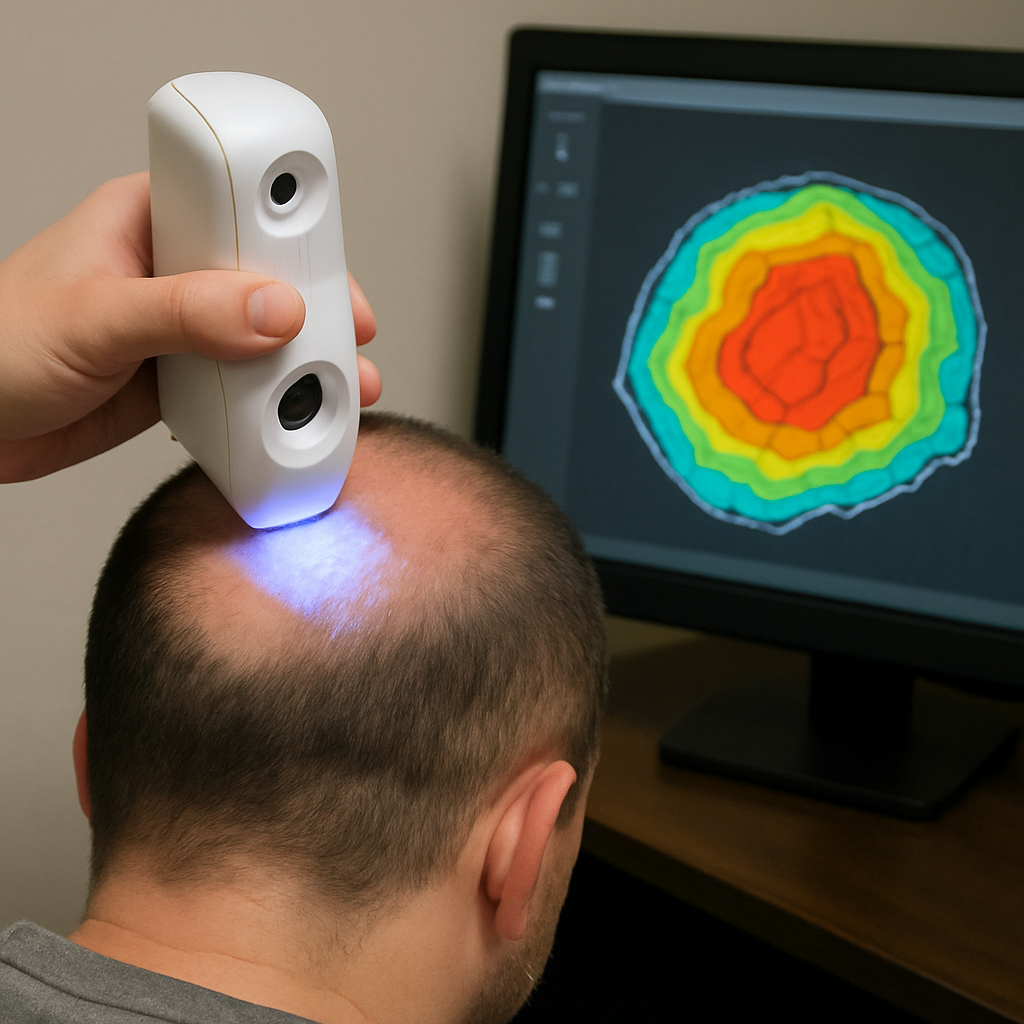
Security is usually the first concern for anyone considering hair restoration, specifically the fear of a system shifting during a run or walking on a windy beach. Traditional solutions often rely on heavy tapes or liquid adhesives to fight gravity, which can be messy, itchy, and unreliable. The CNC system changes this dynamic entirely by underlying shape of your head rather than just sticky chemicals. By prioritizing fit over force, it solves the security problem at the source is one of the core cnc benefits.
The process starts with precision. Technicians create a mold that captures every unique contour, bump, and curve of your head to create a custom 3D print used in cnc hair replacement. This physical mold is converted into a high-resolution digital model, essentially creating a “digital fingerprint” of your skull. This isn’t a one-size-fits-all manufacturing process; it is a hyper-personalized engineering step ensuring the final base matches your anatomy perfectly.
This exact match creates a unique advantage often described as a “vacuum-like” fit. Think of it like a contact lens, the fit is so precise that it stays in place through surface tension and suction. This allows for a realistic natural hairline that remains secure during swimming or high-impact sports. This also doesn’t require thick layers of industrial glue that can irritate sensitive skin this highlights additional cnc benefits.
This precision clarifies why the system feels like part of you rather than an accessory. However, a perfect fit is only half the battle; the material resting against your skin determines daily comfort. This leads us to the unique composition of the base itself.
The ‘Second Skin’ Secret: Why Medical-Grade Resin Outperforms Traditional Bases
Once the fit is established, the material dictates whether you can wear the system for weeks at a time without irritation. The foundation of the CNC system is a medical-grade biocompatible polymer base used in cnc hair replacement. In practical terms, “biocompatible” means the material is chemically inert and designed to coexist with living tissue. This synthetic skin is ISO-certified and dermatologically tested, ensuring it mimics the scalp’s texture while regulating temperature.
Standard hairpieces often rely on generic mesh or latex, but comparing these to a biomedical resin reveals significant differences in daily wearability, further proving the long-term cnc benefits.
- Breathability: Traditional latex can trap moisture and heat, leading to bacterial growth. The CNC polymer allows for heat transfer, maintaining scalp health under medical-grade prosthesis.
- Irritation: Lace or nylon grids can be abrasive and itchy; the biomedical resin is completely smooth and antibacterial.
- Lifespan: Standard bases often fray or tear within months; this polymer is engineered to withstand years of handling and cleaning.
Choosing hypoallergenic hair restoration options transforms the experience from simply “wearing a wig” to functioning with a permanent solution. Because the base protects sensitive skin during sweating or showering, the prosthetic becomes undetectable to the touch. With the foundation invisible and comfortable, the final piece of the illusion rests on the strands themselves, raising the question of how to replicate the movement and texture of real growth.
Why Virgin Human Hair is the Key to an Undetectable Natural Hairline
Even the most advanced base fails if the top strands look artificial. That is why cnc hair replacement protocols strictly use virgin, unprocessed human hair. Unlike standard wigs, they do not strip hair cuticles with chemicals for uniform texture. Virgin hair retains its original protective outer layer. This preservation ensures the hair reflects light naturally and holds styling without becoming brittle. It also moves with the same weight as biological growth. By matching texture and color to your profile, the system avoids an artificial look. This prevents the “too shiny” or “plastic” appearance seen in lower-quality alternatives.
Achieving a realistic natural hairline hair replacement also demands a technique that mimics exactly how hair grows from the scalp. If you want a deeper breakdown, check out what makes a Hair System Look Real. Instead of tying knots around a mesh, technicians use a different method. Knots often create visible black dots at the root. Technicians insert hairs individually into the polymer base at precise angles. This manual injection method replicates the natural tilt and swirl of a biological crown. It makes the hair appear as if it grows directly from the “second skin.” With no visible knots, you can part your hair in any direction. You can also style it back without revealing the prosthetic structure.
Swimming, Gyms, and Wind: How CNC Systems Support an Active Lifestyle

For many, the biggest anxiety regarding hair replacement isn’t the aesthetic, but the fear of a sudden slip. Traditional wigs often force wearers to avoid convertibles or diving boards, limiting their freedom. The CNC system eliminates this hesitation by bonding the 3D-printed base to the scalp with a medical-grade adhesive, delivering real-world cnc benefits. This creates a secure seal, allowing you to face a strong headwind without instinctively reaching up to hold your hair.
Water sports are typically off-limits for standard hairpieces, but this prosthetic is engineered for high-performance environments. As a breathable hair system for active lifestyles, the base allows heat and perspiration to pass through rather than trapping moisture against the skin. You can swim laps or shower after a workout, treating the strands exactly as if they were biological growth, confident the bond remains anchored even when fully submerged.
Unlike disposable patches that degrade quickly, these materials are designed for resilience. When asking how long does a CNC hair system last, the answer lies in the polymer construction that resists bacterial growth and wear. This durability ensures the system maintains its integrity through daily washing and styling, providing a consistent appearance that does not require nightly removal.
Living with this security offers normalcy, yet these cnc benefits rely on professional oversight. While you can forget the system during a jog, the bond requires specific hygiene routines to protect the underlying skin. This reality introduces the next critical consideration: the schedule of clinical maintenance.
The Commitment Factor: Understanding Monthly Maintenance and Clinical Hygiene
Living without daily removal is a major benefit, but your biological body continues to function underneath the prosthetic. Your natural hair still grows and skin cells regenerate, which eventually pushes against the base and shifts the seamless fit. To keep the bond secure and invisible, you must visit a certified center roughly every four to six weeks. This schedule is similar to orthodontic adjustments; it is a necessary routine that ensures the system performs correctly without damaging your skin.
During these appointments, a technician performs much more than a standard wash. The process involves removing the unit to sanitize the skin and exfoliate, a critical step for maintaining a custom hair prosthesis. Specialists use enzymatic cleansers to ensure scalp health under medical-grade prosthesis remains optimal, preventing irritation from trapped oils. Once the scalp is prepped and natural regrowth managed, the system is re-applied with fresh adhesive, resetting the seal for another month.
The prosthetic itself generally lasts between 12 to 18 months before needing replacement. While the antibacterial polymer is robust, it will eventually show signs of wear just like biological hair. Knowing this lifecycle allows you to plan effectively, prompting many to search for a “cnc hair system near me” to discuss replacement timelines. This leads to the final practical consideration: understanding the financial investment required for the system and its care.
Investing in Your Look: A Transparent Breakdown of CNC Hair System Costs
High-quality medical prosthetics require a different financial mindset than buying a standard wig. Because the cnc hair system cost covers a custom 3D-printed mold, biomedical materials, and unprocessed virgin hair, biomedical materials, and unprocessed virgin hair, it reflects the premium cnc benefits. And the prices typically range from $3,000 to over $5,000 per unit. This upfront figure reflects the labor-intensive manufacturing process in Italy, designed to produce a “second skin” that withstands daily life, rather than a disposable cosmetic accessory.
Every system is unique to the wearer, so the exact quote depends on your specific profile. Most certified centers offer hair prosthesis cost factors and financing options to help manage these variables, which generally include:
- Coverage Area: A partial system designed for crown thinning costs less than a full cranial cap for total alopecia.
- Hair Characteristics: Lengths exceeding 10 inches or specific high-density requests require more raw material and labor.
- Maintenance Schedule: Monthly service fees for cleaning and re-bonding are usually separate from the initial purchase price.
Comparing the CNC hair system vs hair transplant surgery reveals a distinct difference in predictability and immediacy. While surgery is a one-time capital expense that depends heavily on donor follicle availability, CNC offers guaranteed volume and density immediately, though it carries recurring replacement costs every 12 to 18 months. Understanding this long-term budget helps you decide if the non-surgical route aligns with your lifestyle, leading naturally to the final step: preparing for your consultation.
Is CNC Right for You? How to Plan Your First Consultation
You’ve moved past the confusion of traditional hair options and now understand how a medical-grade prosthetic functions as a true second skin. Recognizing the difference between a standard hairpiece and this advanced technology equips you to make decisions based on lifestyle needs rather than just aesthetics. This knowledge shifts your journey from a daunting medical search into a manageable process of restoring your self-image.
To begin, search for a “cnc hair system near me” and vet clinics by demanding proof of specific CRLAB certification to ensure you aren’t visiting a standard salon. When analyzing “cnc hair replacement system reviews,” focus on user feedback regarding the 39-step production timeline to set realistic expectations for the typical three-month manufacturing wait. Bring specific questions to your consultation about maintenance cycles to ensure the commitment fits your schedule.
Choosing “nonsurgical hair replacement for alopecia” or thinning hair no longer means compromising on comfort or natural movement. You are investing in a biomedical solution designed to let you swim, shower, and live without hesitation. Trust in the technology you now understand, and take that next step toward a life where your hair is the last thing on your mind.
If you want a deeper technical breakdown before your consultation, you can also review this CNC hair system guide.