
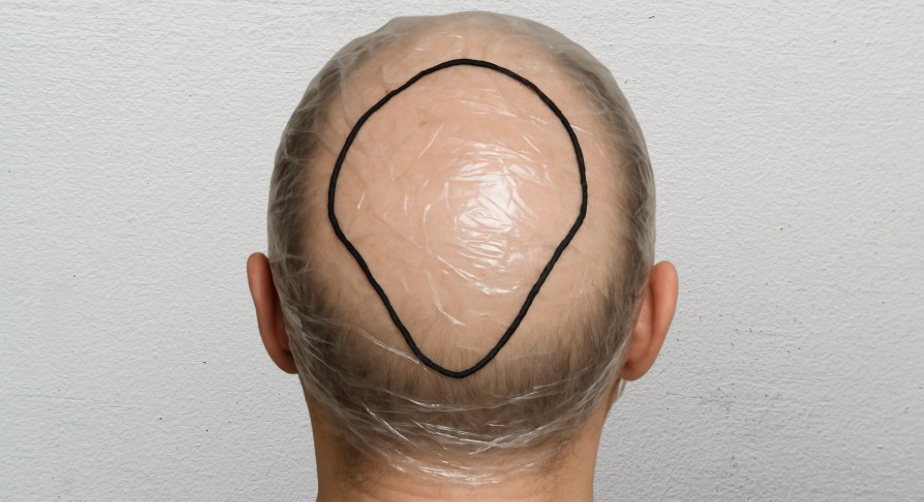
Forget the bulky toupees from 1980s sitcoms. Modern solutions are built on advanced materials and design, which is why so many people now ask, How Does a Hair System Work in real life. Today’s systems use ultra-thin membranes that act like a second skin, delivering a natural appearance even up close. From professional hair system installation to secure hair system bonding and ongoing hair system maintenance, every step plays a role in achieving a realistic, long-lasting result.
These advanced units are not simply placed on your scalp—they rely on professional hair system installation techniques combined with secure hair system bonding. This ensures that even during workouts or windy days, your hair remains firmly in place. Understanding How Does a Hair System Work begins with recognizing how structure, attachment, and ongoing hair system maintenance all come together.
At its core, the system includes three elements: a breathable base, real or synthetic hair, and a secure bonding method. Once you understand How Does a Hair System Work, it becomes clear why modern systems offer both realism and durability with proper hair system maintenance.
Choosing the Right Hair System Base for Daily Comfort
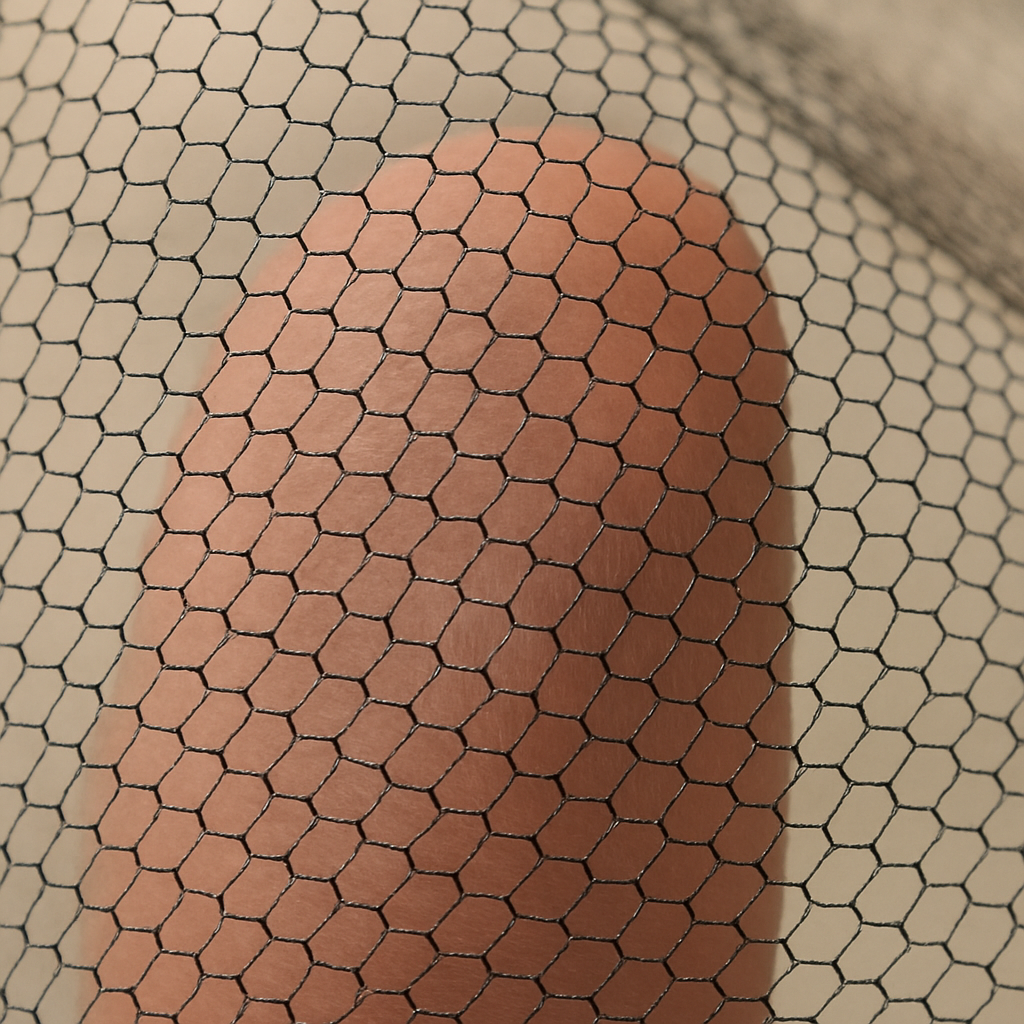
A major part of How Does a Hair System Work lies in the base material. This foundation directly impacts comfort, breathability, and how effective your hair system installation feels throughout the day.
For active lifestyles, breathable materials like lace help reduce sweat buildup, making hair system maintenance easier. On the other hand, skin bases provide a seamless appearance, especially when paired with precise hair system bonding techniques.
When selecting a base, you’re not just choosing comfort, you’re influencing how well your hair system installation performs over time. And also how simple your hair system maintenance routine will be. If you’re unsure which option suits your lifestyle, this guide on how to pick the right hair system can help you make the right choice.
- French Lace: This material allows great airflow and looks very natural at the front. It’s a good choice for people who are active and need ventilation.
- Thin Skin (Polyurethane): Think of this as a very thin layer, similar to a contact lens, that fits smoothly on your scalp. It is a bit warmer than mesh but can create a very realistic look, making it seem like hair is growing from your skin.
- Monofilament: This is made from a very fine and strong nylon mesh. It lasts a long time and stands up well to daily brushing and wear.
Hair System Bonding Explained: How It Stays Secure All Day
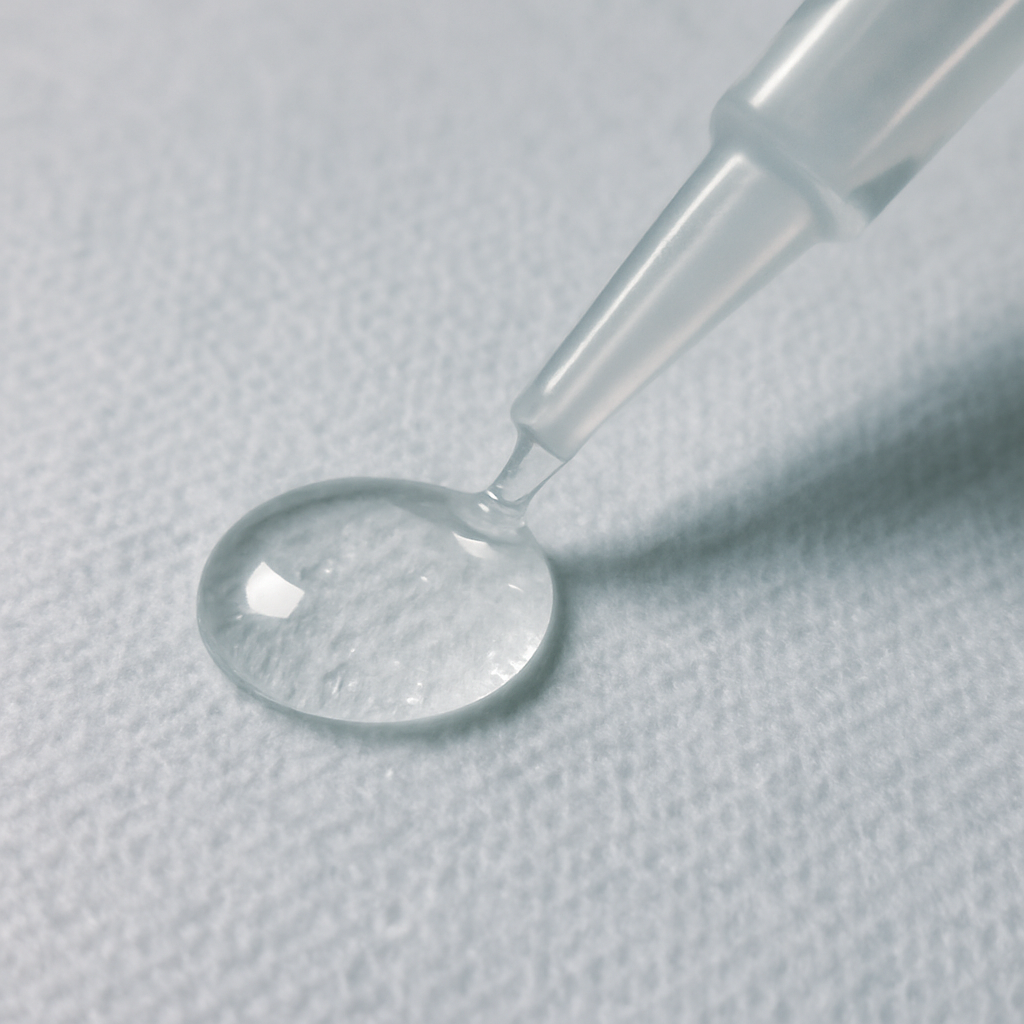
Modern hair system bonding uses medical-grade adhesives that act like a second skin, keeping the system secure in all conditions.
During professional hair system installation, experts typically choose between tape and liquid adhesive. Tape offers convenience, while liquid adhesives provide a longer-lasting hair system bonding solution. Both methods play a crucial role in ensuring your system stays natural-looking and secure.
Proper scalp preparation is essential for effective hair system bonding:
- Shaving creates a smooth base for hair system installation
- Cleaning removes oils that weaken the bond
- Protecting the scalp improves long-term hair system maintenance
When done correctly, hair system bonding ensures confidence in everyday activities while supporting easier hair system maintenance later on.
How Does a Hair System Work for Natural Hairlines and Styling
To fully understand how a hairpiece work, you must look at how hair is attached to the base. Each strand is hand-tied or injected to mimic natural growth, which enhances the results of professional hair system installation.
Techniques like V-looping eliminate visible knots, making the hairline appear natural even under close inspection. These methods work hand-in-hand with precise hair system bonding, ensuring the system blends seamlessly with your scalp. However, achieving this realism also means committing to proper hair system maintenance, as delicate construction requires careful handling to maintain longevity.
The key to achieving a natural look is to mimic nature’s small flaws. While these fine ventilation techniques may shorten the lifespan of human hair units a bit, they help create the realistic appearance of a natural hairline:
- Irregularity: A slightly jagged, uneven line rather than a perfectly straight, artificial curve.
- Graduated density: Hair that starts thin at the very front and gradually thickens as it moves toward the crown.
- No visible knots: A completely seamless blend where the base vanishes into the scalp.
Achieving this undetectable coverage instantly offers a distinct advantage over medical alternatives, providing immediate density and non-invasive confidence without surgical scars.
Hair System Installation vs Hair Transplant: What’s Better
One reason people explore how does a Hair System work is to compare it with surgical solutions. According to hair restoration experts, choosing the right surgeon requires careful research, understanding procedures, and evaluating real patient outcomes. Unlike transplants, which take months, hair system installation delivers immediate results.
Additionally, hair system bonding allows flexibility you can change styles, density, or even remove the system whenever needed. This adaptability makes ongoing hair system maintenance more manageable compared to permanent surgical outcomes.
With no downtime and customizable density, understanding How Does a Hair System Work highlights why it’s often the preferred non-surgical option.
How to Clean and Maintain Your System
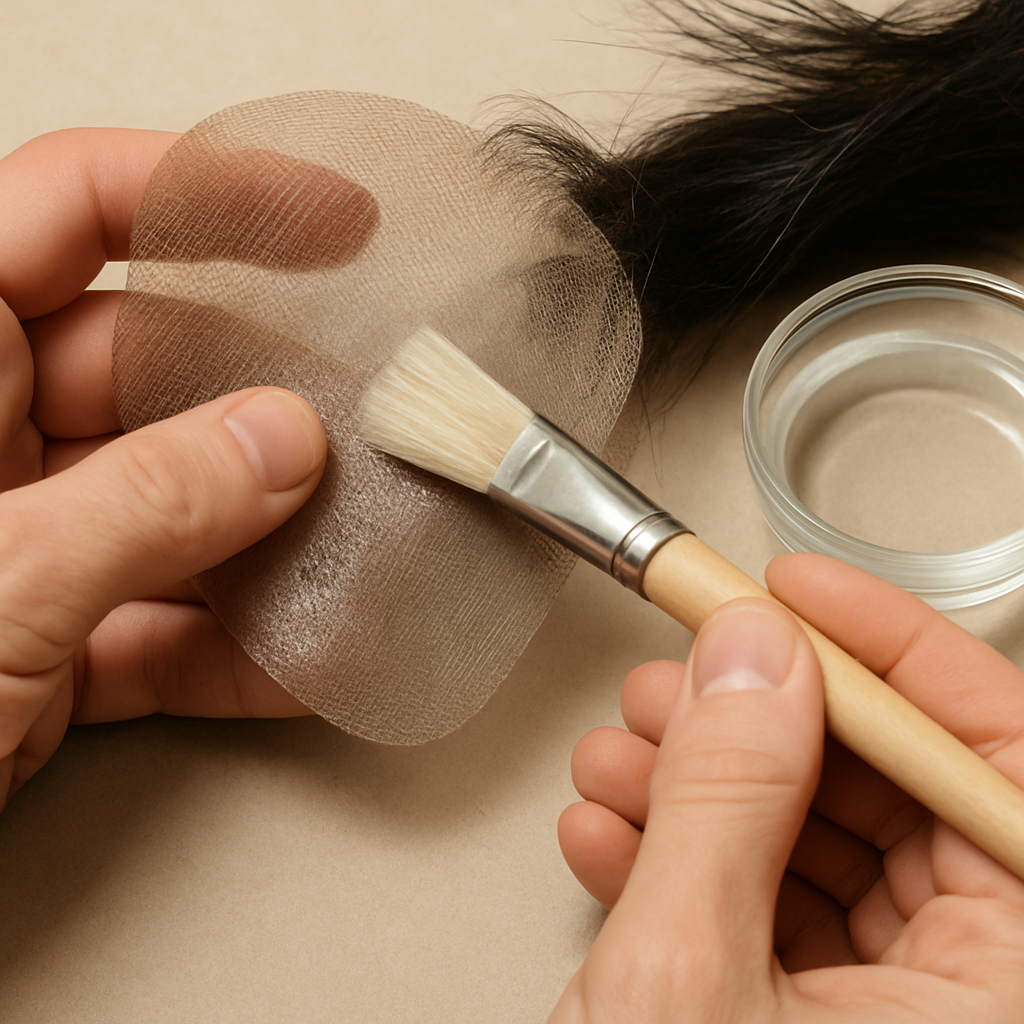
How a Hair System work long-term comes down to consistent care. Regular hair system maintenance ensures your system remains natural, clean, and secure.
Removing the system safely involves breaking down the hair system bonding using a solvent. This protects the base and simplifies future hair system installation. Once removed, cleaning and conditioning help extend the system’s lifespan.
Essential tools for effective hair system maintenance include:
- Adhesive remover for safe bond release
- Wide-tooth comb to prevent damage
- Leave-in conditioner for hydration
Proper hair system maintenance also prevents issues like dryness and fading, ensuring your system continues to look fresh after every hair system installation cycle.
- C-22 Solvent: A gentle, skin-safe citrus oil designed to easily dissolve leftover glue.
- Wide-tooth comb: Essential for proper detangling, which can actually extend the lifespan of your unit by up to 20%.
- Leave-in conditioner: A hydrating daily shield to keep individual strands feeling soft.
What to Expect in Your First Month with a Hairpiece
For beginners, understanding how a hairpiece work becomes easier with experience. Your first hair system installation should ideally be done by a professional to ensure correct placement and secure hair system bonding.
During the first few weeks, you’ll learn how your body reacts to adhesives and how often hair system maintenance is required. Regular checks help maintain strong hair system bonding while improving comfort.
As you gain confidence, you’ll become more independent with hair system maintenance, making the entire process—from hair system installation to daily wear—feel effortless.