
Is your hair falling flat—literally? If you’ve tried every volumizing spray and mousse only to have your hair look limp an hour later, you’re not alone. The secret to lasting body often isn’t in a styling bottle; it’s in a targeted treatment you do in the shower. But this raises a common question: what is a hair mask, and isn’t it just an expensive conditioner? The answer is a clear no, and understanding why is key for anyone with thin or fine hair.
Think of a hair mask as a super-powered conditioner. Your daily conditioner’s main job is to quickly smooth the hair cuticle. This makes hair easy to detangle, but for fine hair, many daily formulas are too heavy, causing that frustrating flatness. In the debate of a hair mask vs deep conditioner for fine hair, the difference is purpose: one is for daily surface smoothing, while the other is for deep, targeted repair.
A mask, by contrast, is designed for penetration. Its concentrated ingredients are meant to sit on the hair for 10-20 minutes to solve specific problems from within. A regular conditioner is like a daily hand lotion, while a hair mask is like a deep, healing overnight treatment. The key is to to choosing the right product to finally build volume, add strength, and give your hair the support it truly needs.
How to Choose a Hair Mask for Bouncy, Lasting Volume
If you’ve ever styled your hair for volume only to see it fall flat an hour later, you know the struggle. The problem often lies in conditioning products that are too heavy for fine hair. A truly great volumizing hair mask works differently; instead of just coating your hair, it’s designed to plump each strand from the inside out.
The secret is to look for lightweight hydrators. Think of ingredients like hyaluronic acid and panthenol (a form of vitamin B5) as tiny moisture magnets. They pull water into the hair shaft, causing it to swell slightly and appear thicker and bouncier without any greasy residue. This approach gives you hair that feels soft and full, not slick and weighed down.
Be cautious with masks that list heavy butters and oils near the top. Ingredients like shea butter, coconut oil, and silicones such as dimethicone work well for very dry or coarse hair. However, they can be too much for fine strands. They form a heavy film that weighs hair down and reduces lift at the roots.
So, when you’re scanning a product label for the best thickening hair mask, keep an eye out for these volumizing superstars:
- Hyaluronic Acid
- Panthenol (Pro-Vitamin B5)
- Biotin
- Collagen
Choosing a formula with these ingredients is your best bet for adding body without sacrificing shine. But what about strengthening the hair you already have?
Can a Hair Mask Really Help Hair Growth? Here’s the Honest Truth
So, let’s tackle the big question: do hair masks actually help hair growth? The honest answer is yes, but not in the way you might think. No mask can magically sprout new hair follicles where they don’t exist. Instead, the best approach is to think of your scalp as a garden. A “growth” mask acts like a powerful fertilizer for the soil, creating the healthiest possible environment for the hair you already have to thrive.
A healthy scalp is the foundation of strong hair. Over time, product residue, oil, and dead skin cells can clog hair follicles, which can get in the way of healthy growth. A targeted hair growth mask often works as a deep scalp treatment for thinning hair at home. It uses ingredients like peppermint or rosemary oil to gently stimulate circulation, and sometimes mild exfoliants like salicylic acid to clear away that buildup, giving each strand a clean start.
Just as important, these masks help you keep the length you grow. For many with thin hair, the problem isn’t a lack of growth but rather breakage that keeps hair from getting longer. When your strands are weak, they snap off, making your hair look thinner and feel shorter. By strengthening the hair shaft, a mask can drastically reduce this breakage, helping your hair reach its full potential.
Ultimately, a great “growth” mask plays a dual role: it nourishes the scalp to support healthy new growth and fortifies existing strands to prevent them from breaking. But if snapping and split ends are your primary concern, focusing specifically on repair is your next best step.
Strengthen Your Strands: Finding the Best Repair Mask for Breakage-Prone Hair
If your primary goal is to stop strands from snapping, a dedicated hair repair mask is your best friend. A strengthening mask for fragile hair is filled with proteins temporarily filling in those weak spots. This reinforces the hair shaft, making each strand more resilient and much less likely to break when you brush or style it. Dermatologists at the American Academy of Dermatology also outline everyday hair-care habits that silently cause breakage from excessive heat styling to tight hairstyles, reinforcing why strengthening treatments are so important.
The star players in these masks are often proteins your body already knows, like keratin and collagen. Since your hair is primarily made of keratin, a keratin mask for damaged fine hair helps to patch and replenish the very substance of your strands. Similarly, the biotin and collagen hair mask benefits include improved strength and elasticity.
But how do you know if your hair is craving protein? Try this simple test on a wet strand of hair: gently stretch it. If it stretches more than usual and feels a bit limp or gummy before it breaks, it’s desperate for a protein treatment for hair breakage. On the other hand, if it snaps almost immediately with no give, it’s actually thirsty for moisture, not more protein. This simple check ensures you give your hair what it truly needs.
This balance is crucial because there is such a thing as “protein overload.” Using strengthening masks too often can make fine hair feel stiff, rough, and ironically, even more brittle. The secret is to give your hair both the strength from protein and the flexibility from moisture. Finding that perfect product is half the battle; knowing how to apply it correctly is what will truly transform your hair.
How to Use a Hair Mask on Thin Hair for Maximum Volume (and Zero Grease)
You’ve found the perfect mask, but if you apply it like a regular conditioner, you risk undoing all its potential benefits. For those with fine or thin hair, the biggest fear is a treatment that promises repair but delivers greasy, weighed-down roots. The secret to success isn’t just in the product, but in a targeted technique that gives your hair exactly what it needs, where it needs it.
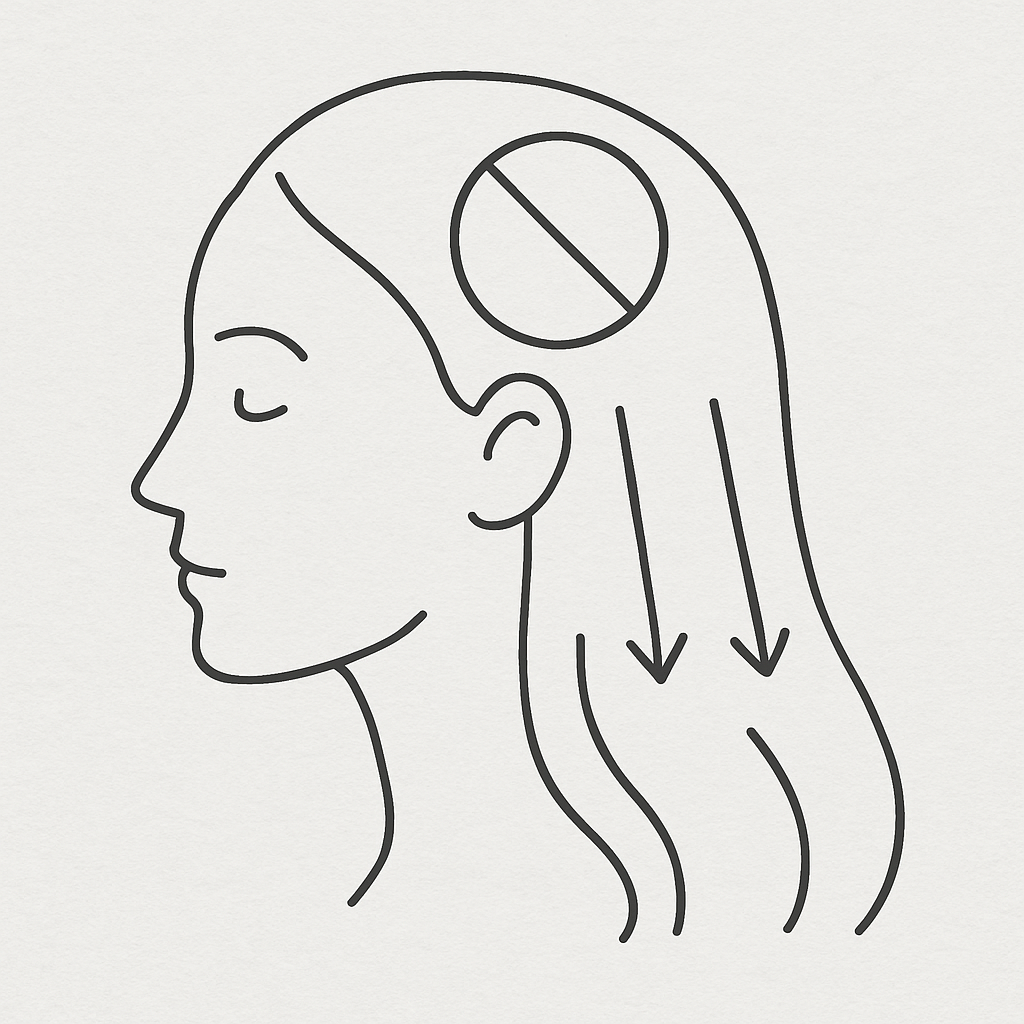
The golden rule for fine hair is to focus on the mid-lengths and ends. Think of your hair from your ears down this is the oldest, most fragile part. Your roots, on the other hand, are new and already get natural oils from your scalp.
How to Apply Hair Mask: After shampooing and gently squeezing out excess water, apply the mask only to the lower section (as shown in the illustration).
When it comes to the amount, less is definitely more. Start with a dime-to-quarter-sized dollop. You can always add a bit more if needed, but it’s impossible to take away. Overloading your hair is what leads to that heavy, coated feeling and creates product buildup.
How often should you use a hair mask on fine hair? Sticking to a once-a-week schedule is the perfect cadence to strengthen strands without causing overload.
By following this simple method for how to use a hair mask for maximum volume, you get the best of both worlds: nourished, resilient ends and light, airy roots. But nourishing your hair doesn’t always have to come from a store-bought jar. Sometimes, the most effective ingredients are already in your kitchen.
A Simple 3-Ingredient DIY Hair Mask for Growth and Thickness
Venturing into the world of DIY hair care can be tricky, especially since many online recipes are loaded with heavy oils like coconut or olive oil that can instantly flatten fine hair. A great DIY hair mask for thin hair, however, focuses on lightweight hydration and scalp health. This simple, three-ingredient recipe provides moisture without the grease, making it a perfect weekly treat for strengthening your strands.
For a mask that promotes a healthy scalp and adds moisture, gather these kitchen staples:
- 2 tbsp pure aloe vera gel: Delivers lightweight, water-based hydration that won’t weigh hair down.
- 1 tbsp honey: A natural humectant, which means it actually draws moisture from the air into your hair strands.
- 3-4 drops of rosemary essential oil: This is a scalp-care powerhouse, believed to support circulation and create a healthy environment for growth.
Mix these ingredients in a small bowl and apply using the same mid-lengths-to-ends technique. You can also gently massage a small amount into your scalp before your shower to give the rosemary oil time to work its magic. This combination offers a fantastic DIY hair mask for hair growth and thickness because it nourishes the scalp without leaving a greasy film on your roots. These are exactly the kind of natural ingredients that add hair volume by plumping up the hair from within.
Notice what’s not in this recipe: heavy butters or oils. While fantastic for other hair types, they can coat fine strands and leave them looking limp. Knowing which ingredients provide benefits without the weight is the most important part of choosing any mask, whether it’s store-bought or made in your own kitchen.
Your Cheat Sheet: The Best (and Worst) Ingredients
Ready to take this knowledge to the store aisles? Shopping for the right product can feel like deciphering a secret code, but you don’t need a chemistry degree to find the best thickening hair mask for fine hair. You just need to know which ingredients are your friends and which will sabotage your volume.
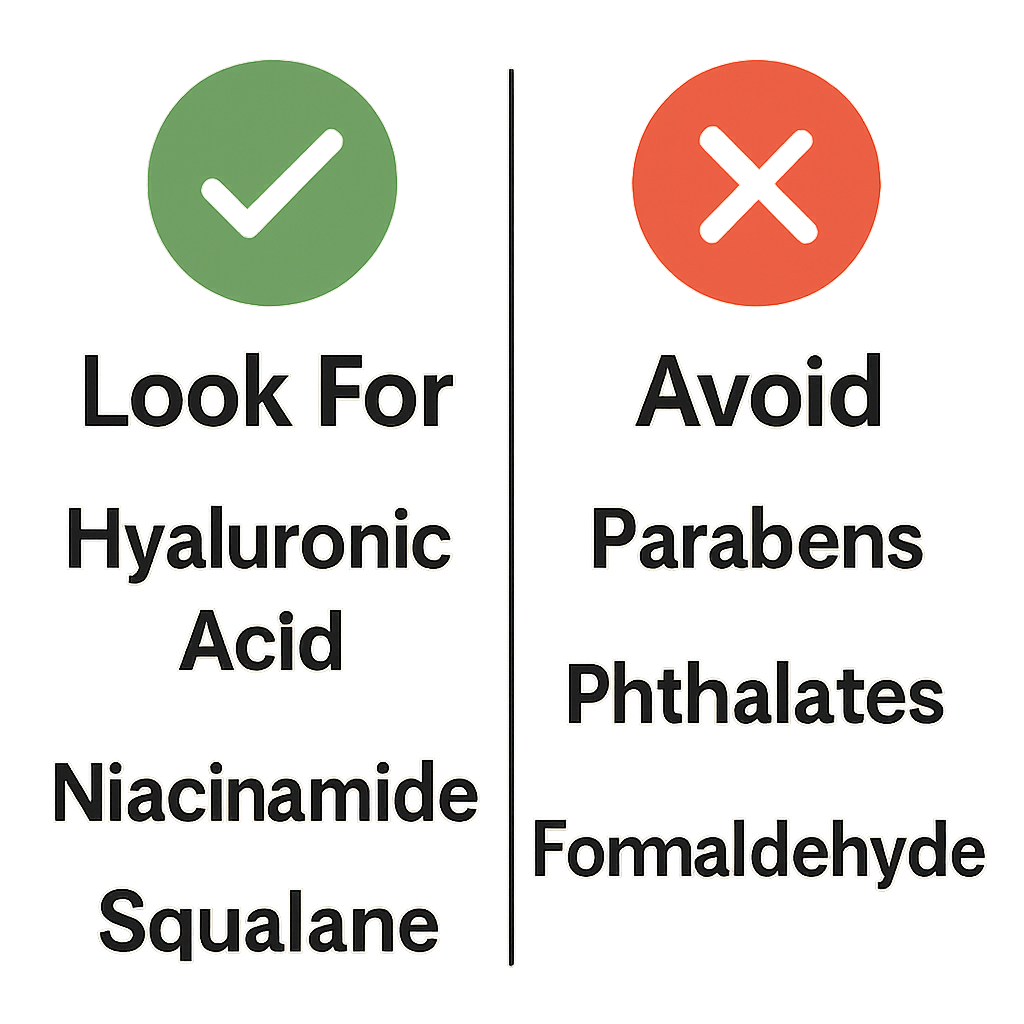
To make it simple, here’s a quick cheat sheet. Think of the “Look For” list as your hair’s support team, while the “Avoid” list contains ingredients that can weigh you down.
| LOOK FOR | AVOID |
| Biotin & Collagen: their benefits include supporting hair’s strength and structure. | Heavy Silicones (like Dimethicone): Gives a slippery feel but can build up and flatten hair. |
| Keratin: A protein that helps patch up weak spots in the hair strand. | Heavy Oils & Butters (Coconut, Shea): Amazing for coarse hair, but too heavy for fine strands. |
| Hyaluronic Acid & Panthenol: Lightweight hydrators that plump strands from within without adding weight. | Mineral Oil: Creates a seal that can lead to buildup and limpness. |
Here’s a pro tip for reading any label: ingredients are listed in order of concentration. If you see fantastic volumizing ingredients to look for, like Biotin or Hyaluronic Acid, in the first five ingredients, that’s a great sign. If you see what ingredients to avoid for fine hair, like Dimethicone, listed near the top, you might want to put that jar back on the shelf. This simple trick helps you cut through the marketing claims and see what a mask is truly made of.
Your Action Plan for Fuller, Stronger Hair Starts Now
You no longer need to stand in the hair care aisle feeling overwhelmed. Before, the wall of masks was a confusing mix of promises. Now, you can see them for what they are: specific tools for your hair’s unique needs. You have the power to look past the marketing and confidently choose a treatment that will actually work for thin or fine hair, not against it.
Whether your main goal is achieving volume, repairing damage, or nurturing your scalp, the right mask is your weekly ally. The secret to how to get fuller hair isn’t finding one miracle product, but in creating a consistent hair strengthening routine. Lasting results are built over time, helping your hair become more resilient and healthy with each application.
While the right hair mask can dramatically improve strength and volume, some thinning concerns require a deeper look. Booking a professional consultation allows you to evaluate scalp health, rule out underlying causes, and build a personalized plan for fuller, stronger hair.
Your first step is simple. The next time you wash your hair, just take a moment to notice what it needs. Does it feel limp and lifeless? (Go for Volume). Are you seeing a lot of breakage? (Go for Repair). Does your scalp feel tight or imbalanced? (Go for a Scalp mask). Your journey to healthier hair begins with that one simple choice.