
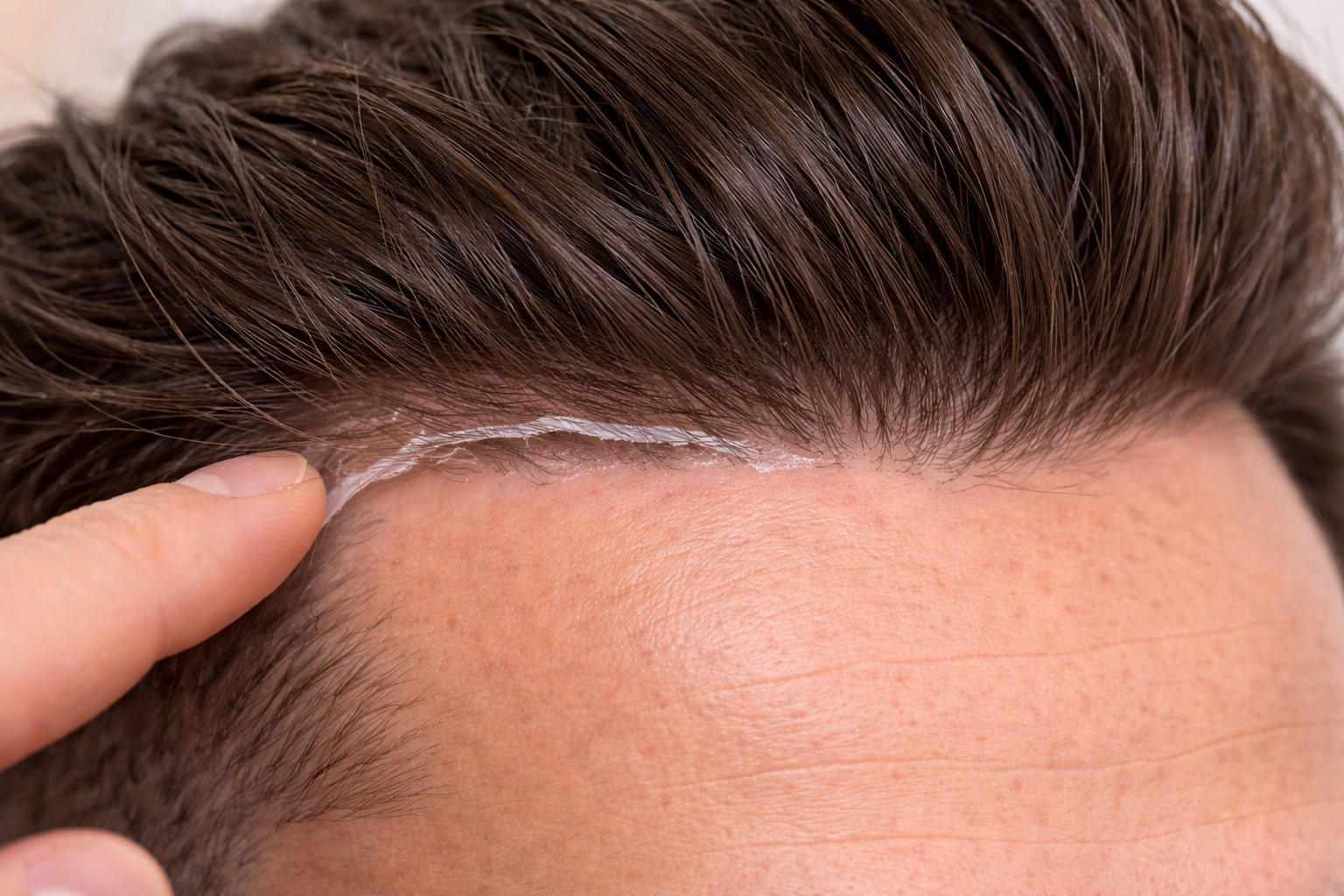
Is the initial excitement of your new hair system turning into frustration? If you’re dealing with a constantly itchy scalp or worrying about the edges lifting in public, you are not alone. These experiences are some of the most common hair system problems new wearers face, including hair system itching, hair system lifting, hair system sweating, and hair system shedding, and they are almost always fixable.
Adjusting to a new hair system involves understanding how it interacts with your unique skin, activity level, and environment. These early challenges are not signs of failure, but the first step in mastering your hair system care routine. Most early hair system problems happen during the adjustment phase and improve quickly with the right routine.
The vast majority of issues fall into four main categories: that maddening itch, the dreaded edge lift, excess sweating, and unexpected shedding. Each one has a logical cause, from your skin’s natural oils breaking down the adhesive to moisture getting trapped under the base material on a hot day.
This guide demystifies those causes and gives you back control by providing simple, actionable solutions for each of these four major hair system problems that you can use today. Our goal is to help you move past the anxiety and enjoy the confidence you deserve.
Why Does a Hair System Itch?
That constant, nagging itch under your hair system is one of the most common frustrations for new wearers. Persistent hair system itching usually signals trapped moisture or product buildup rather than a defect in the unit. Your scalp naturally sweats, and if that sweat and heat can’t escape, it creates a warm, damp environment that irritates the skin. This is especially true for systems with less breathable hair system base material.
Sometimes, the problem isn’t sweat but the adhesive itself. If switching adhesives reduces the discomfort, your hair system itching was likely caused by skin sensitivity. If you notice the hair system itching is most intense around the edges where the adhesive is applied, you may simply need to switch to a different product, as there are many options available for sensitive skin.
Finally, a frequently overlooked cause of an itchy scalp is simple hygiene. Preventing hair system itching starts with proper scalp preparation and regular cleaning. When you wash your hair, you must rinse your scalp thoroughly. Any leftover shampoo or conditioner residue that gets trapped underneath the hair system can dry out and severely irritate your skin.
Why Does a System Lift?
Nothing is more stressful than feeling the edge of your system begin to peel up, especially when you’re out in public. If you’re experiencing hair system lifting, this isn’t “weak glue” but what’s happening underneath it. Your scalp naturally produces oils, and this oil is the number one enemy of your adhesive. Excess scalp oil is the most common trigger behind repeated hair system lifting. Think of it like trying to put a sticker on a greasy surface it simply won’t hold for long.
Beyond just oil, the same moisture we talked about causing itchiness also contributes to lifting. Sweat from a workout, high humidity on a summer day, or even steam from a hot shower can weaken the adhesive over time. High humidity can speed up hair system lifting, especially around the front hairline. This gradual weakening is what causes that dreaded hair system lifting at the hairline, which is often the first place you’ll notice an issue.
Therefore, preparing your scalp before you attach your system is critical. Proper scalp cleansing dramatically reduces unexpected hair system lifting. Even a small amount of oil left on the skin can dramatically shorten the life of your bond, turning a week-long hold into a day-long headache. Regular maintenance helps prevent premature hair system lifting between reapplications.
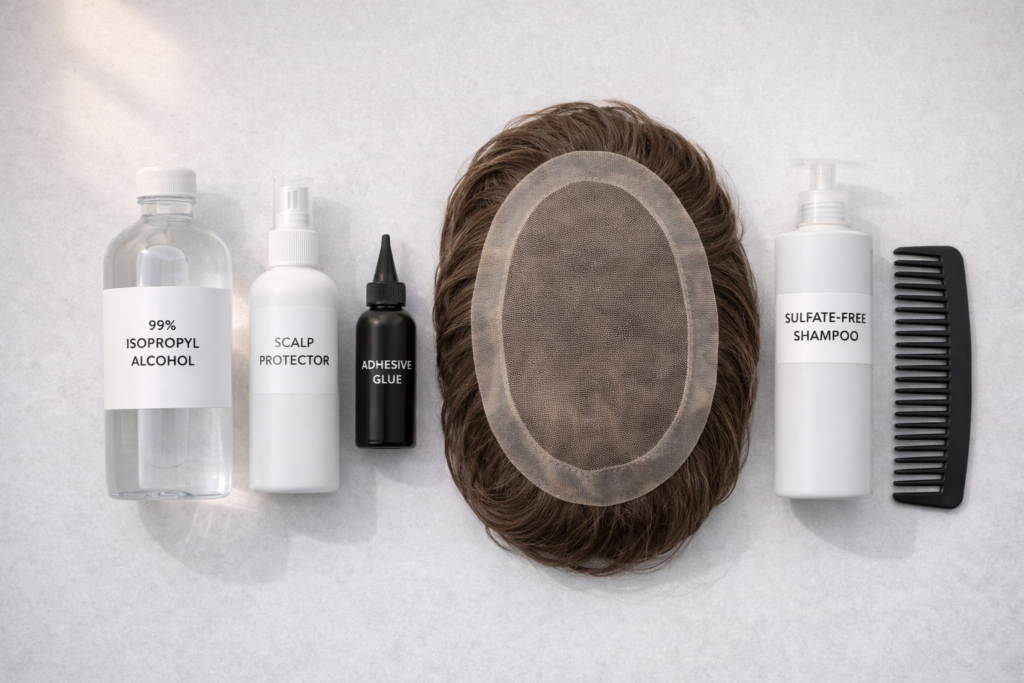
To address this issue, many users apply a special liquid barrier to the scalp before using the adhesive. Often called a scalp protector, this product creates an ultra-thin, clear shield between your skin and the glue. This shield blocks your scalp’s natural oils from reaching the adhesive, helping you maintain that secure, confident hold for much longer.
Hairpiece Sweating Issues
Experiencing heat and sweat beneath hair system isn’t just uncomfortable; it indicates that warmth and moisture are trapped on the scalp. This issue of hair system sweating is especially common if you have an active lifestyle, live in a warm climate, or simply tend to run hot. Many wearers notice increased hair system sweating during physical activity. Non-breathable bases tend to increase hair system sweating throughout the day. In contrast, a breathable hair system base made of lace is like a fine mesh. It lets air flow through and helps sweat evaporate easily. Switching to lace is one of the most effective ways to reduce hair system sweating.
Choosing breathable materials helps control hair system sweating in warm climates. When sweat has nowhere to go, it creates a warm, damp environment against your skin. This is the perfect breeding ground for the bacteria that cause odor. According to the Mayo Clinic, bacteria thrive in warm, moist environments — which is why proper scalp hygiene matters to prevent odor and irritation. If you’ve ever wondered How to Stop a Toupee from Smelling, managing this trapped moisture is the first step. This bacterial buildup is not only responsible for unwanted smells but can also lead to significant scalp irritation and that persistent, frustrating itch.
Ultimately, reducing sweat under a hairpiece comes down to the base you choose. While a poly base might offer an amazingly realistic scalp appearance, a lace base provides the breathability essential for comfort, scalp health, and odor prevention. Managing hair system sweating is essential for both comfort and hygiene. The material of your system’s foundation plays a critical role, but the way you attach the hair also affects how long your system looks full and healthy.
Hair System Shedding Causes
Finding a few loose hairs on your pillow or in the sink can be alarming, but a little hair system shedding is completely normal. Mild hair system shedding is expected during the first few washes. Think of it like a brand-new carpet that loses a few fibers at first. A new system, in particular, may shed a small amount of hair that wasn’t fully secured during manufacturing.
The real concern is when shedding becomes excessive. To see why this happens, picture how the hair is attached to the system’s base. Each individual strand is tied to the base with a tiny, delicate knot. Over the natural lifespan of the system, these knots can slowly loosen with daily wear, causing hairs to work themselves free and this is the gradual. But, over time, natural wear can gradually increase hair system shedding.
However, physical stress on these knots causes most rapid and preventable shedding. When you scrub harshly during washing, apply conditioner directly to the base, or aggressively comb the hair while it’s wet, you pull on the strands and weaken or prematurely untie the knots. These actions put far more strain on the hair’s attachment points than they can handle, causing noticeable thinning much sooner than it should happen.
Ultimately, preserving your system comes down to protecting these delicate knots. While you can’t stop the natural, slow process of shedding. Gentle handling significantly reduces unnecessary hair system shedding.
How to Fix These Problems
Taking control is where you’ll find real confidence. The great news is that you don’t need to be an expert to solve these common issues. Most problems with itching, lifting, and shedding can be managed and even prevented with a consistent and gentle hair system maintenance routine. Instead of reacting to problems, you can get ahead of them.
Your Weekly Maintenance Checklist
- Prep Right: Before applying adhesive, clean your scalp thoroughly with 99% isopropyl alcohol to remove oil and residue. Let it dry completely, then apply a thin layer of scalp protector to protect your skin and improve the bond.
- Bond Smart: Use a small amount of adhesive and follow the instructions carefully. Wait for the adhesive to feel sticky before you attach the system. Keep it dry for about 24 hours so the bond can set properly.
- Wash Gently: Use a mild, sulfate-free shampoo and gently pat it onto the hair. Do not scrub the base, and apply conditioner only to the mid-lengths and ends to prevent shedding.
- Wear Smart: If you’re active or live in a hot climate, choose a breathable lace base to reduce sweat. Detangle with a wide-tooth comb, starting from the ends and working upward to avoid pulling.
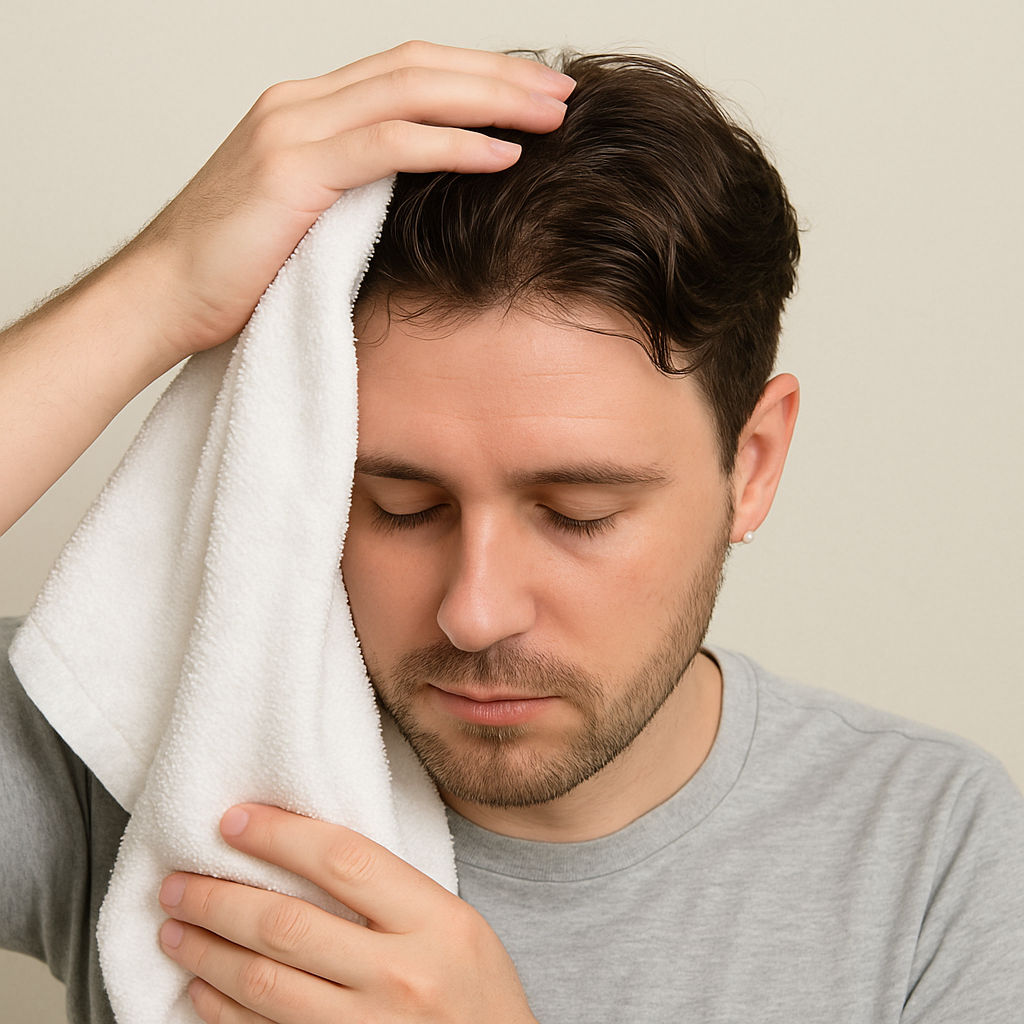
When you dry your hair, remember to pat, not rub. Rubbing the base with a towel puts the same damaging stress on the knots as scrubbing with your fingers, leading directly to preventable shedding. A gentle patting motion will absorb most of the water without causing any harm.
This proactive approach is the key to wearing your hair system with the freedom and confidence you deserve, allowing you to forget you’re even wearing it.
Your Action Plan for a Confident Hair System Experience
Instead of a long list of fixes, effective non-surgical hair replacement care comes down to one simple idea. It starts with proper preparation, ensuring your scalp is clean and protected, and choosing the right products for your unique skin chemistry and lifestyle. This foundation prevents most issues before they begin.
The final piece is gentle daily care. How you wash, handle, and style the system is what preserves your investment and prevents wear, forming the core of a reliable hair system maintenance schedule. With the right care habits, long-term hair system problems become rare and manageable. If you’d prefer professional guidance tailored to your lifestyle, explore our Hair System Services for expert maintenance and rebonding support.
You are now equipped to shift your focus from reacting to hair system problems to proactively building genuine hair system confidence. The goal was never just about the hair; it was about the freedom to live your life without a second thought. Now, you can.