

That perfectly invisible hair system you’ve seen online, the one that seems to completely vanish into the skin, might only last about six weeks. It’s a surprising fact that highlights the most important decision you’ll make when choosing a non-surgical hair replacement.
So, how long do hair pieces last on average? For most high-quality systems that balance looks and durability, you can realistically expect a lifespan of 3 to 6 months with daily wear. This range is the most common answer to “how long does toupee last” as it reflects what the majority of wearers experience.
This difference in lifespan boils down to a fundamental trade-off: the most undetectable materials are also the most delicate. The search for a long-lasting hair replacement system is about finding your personal balance between seamless realism and practical durability.
What Factors Affect How Long a Hair System Lasts?
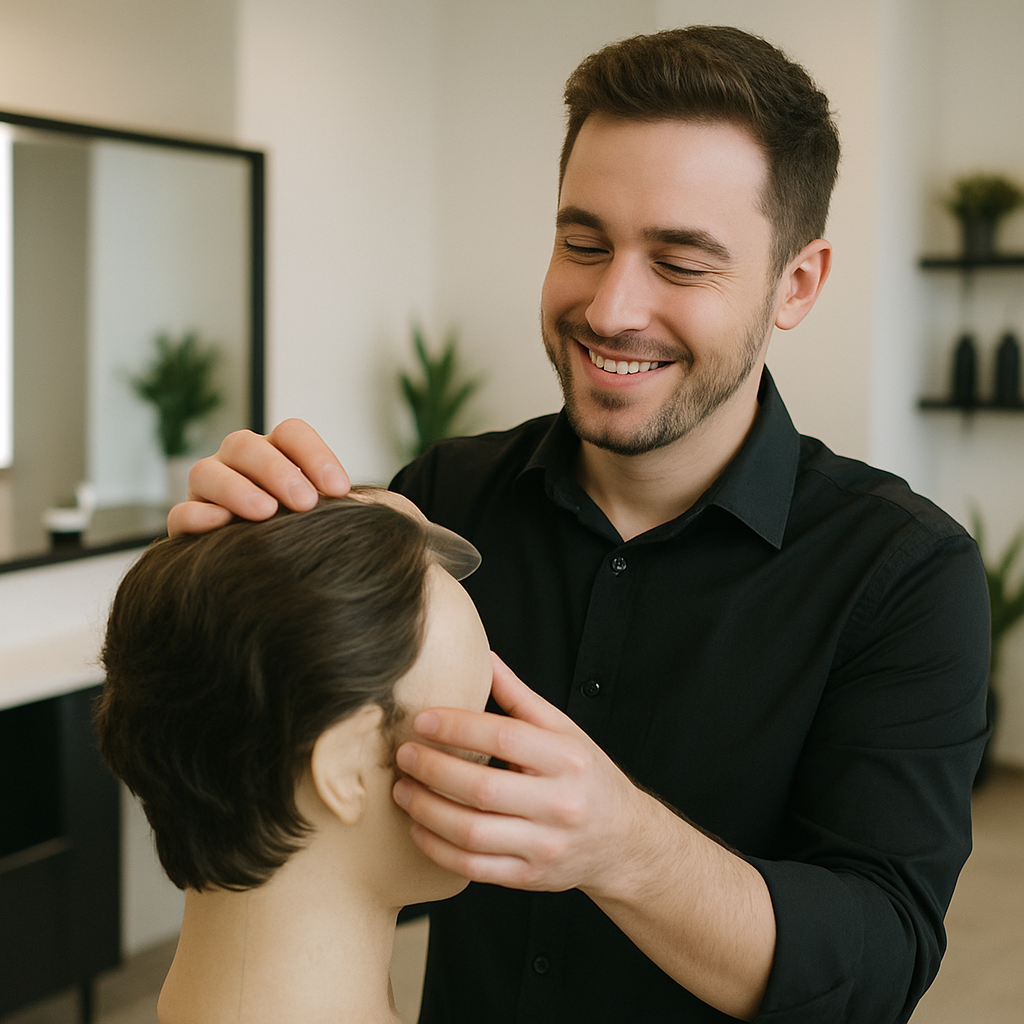
When you see a lifespan range like “2 to 6 months,” it’s natural to wonder what pushes a system to one end of the scale or the other. A system’s longevity isn’t a single number; it depends on a balance of four key pillars.
Think of it as a combination of the product itself and how you use it. The primary elements influencing hair system durability are:
- Base Material: This is the foundation of the system that sits on your scalp. More delicate, invisible bases have a shorter lifespan than more durable ones.
- Hair Quality: The type of hair used and how it’s processed impacts how long it will look and feel fresh.
- Your Lifestyle: An active, outdoor lifestyle with lots of sun, sweat, or swimming will put more stress on a system than a less active one.
- Your Maintenance Routine: This is the #1 factor you can control. Proper washing, conditioning, and handling make a massive difference.
While your daily habits play a huge role, the system’s built-in lifespan potential starts with its base material.
How Long Do Different Base Types Last?
Of all the things that determine how long hair systems last, the base material is the most important. Think of it like choosing an outfit: a thin, breathable t-shirt is perfect for a workout but less durable than a rugged jacket. Hair system bases follow a similar principle, forcing a choice between the most realistic appearance and the longest lifespan. If you’re still deciding between materials, check out our detailed comparison of Polyurethane vs. Lace Hair System to learn more in this guide about durability, comfort, and realism.
For the ultimate invisible hairline, many turn to Polyurethane (“Poly” or “Skin”) systems. These bases are incredibly thin and look like a second skin when attached. However, this realism comes at a cost. The delicate nature of the material gives these systems the shortest lifespan, typically between 1 to 4 months.
On the other end of the spectrum are Lace and Monofilament bases. Lace systems use a fine, mesh-like fabric that is much more durable and breathable than skin, making it a great choice for active individuals. In the debate over lace front vs. skin base lifespan, a lace system will generally last 4 to 6 months. For maximum durability, Monofilament (“Mono”) bases use an even stronger material and can last 6 to 12 months or more, though they are less undetectable.
Many modern systems offer a hybrid approach, combining a durable mono top with an invisible lace or skin front to balance looks and longevity. While you can’t change a material’s built-in lifespan, your daily habits can help you reach the upper end of that estimate or cut it short.
How to Make Your Hair System Last Longer
While the base material sets a hair system’s potential lifespan, your daily habits determine if you reach—or even exceed—that timeline. The good news is that you have a tremendous amount of control. Learning a few simple toupee maintenance tips can dramatically extend the life of your hair piece, protecting your investment and keeping it looking natural. For a complete step-by-step routine, see our full Hair System Maintenance Guide.
Here’s how to make a toupee last longer by avoiding the most common mistakes:
- Wash It Gently: Always use a sulfate-free shampoo. Instead of scrubbing the base, which can loosen knots, gently smooth the product through the hair from root to tip. Wash it only 1-2 times per week to avoid unnecessary wear.
- Protect It from the Elements: Sun, salt, and chlorine are the hair’s worst enemies. Wear a hat in direct sunlight to prevent color fading, and apply a leave-in conditioner before swimming to create a protective barrier.
- Sleep Smart: A standard cotton pillowcase creates friction that causes tangles and can pull on the hair. Switching to a silk or satin pillowcase is one of the easiest ways for preventing hair system shedding and morning frizz.
- Use the Right Products: Many mainstream hairsprays and gels are loaded with alcohol, which strips moisture and makes the hair brittle. Always stick to alcohol-free styling products designed for processed hair.
Signs It’s Time to Replace Your Hair System
Even with the best care, every hair system has a limited lifespan. Knowing the signs you need a new hair system helps you replace it before its appearance degrades, ensuring you always look your best. Think of it like tires on a car eventually, the tread wears thin, and it’s time for a fresh set.
Pay attention to these four key indicators that your hair piece is nearing the end of its journey:
- Significant Shedding: While losing a few hairs is normal, noticeable thinning or small bald patches on the system is the number one sign it’s wearing out.
- Faded or Brassy Color: Over time, sun and air can cause the hair color to fade. Compare the system’s color to your own growing hair at the sides and back; if the mismatch is obvious, it’s time for a replacement.
- Constant Dryness and Tangling: If the hair feels perpetually dry, brittle, or tangles easily even after conditioning, it has likely lost its protective outer layer and won’t regain its smooth texture.
- Rips or Tears in the Base: Gently inspect the foundation. Damage to the hair system base materials, like a tear in a lace unit or a poly base becoming sticky and weak, compromises the whole system.
Hair System Lifespan in Orange County Climate
Your environment plays a huge role in a toupee’s longevity, and a sunny coastal climate like Orange County is a perfect example. The constant exposure to intense sun and salty air is tough on a hair system, potentially shortening its lifespan compared to someone living in a milder region. This doesn’t mean you can’t have great-looking hair; it just means being more mindful of protection.
The sun’s powerful UV rays act like a slow bleach, causing the hair’s color to fade much faster. At the same time, saltwater and chlorine can strip the hair of moisture, leaving it dry, brittle, and more prone to tangling. This combination of sun damage and dryness means you might find your unit wears out a bit sooner.
To fight back, be proactive. Wearing a hat during long periods of sun exposure is your best defense. Using a leave-in conditioner or a UV protectant hair spray is also a fantastic habit to adopt. The Skin Cancer Foundation also emphasizes the importance of protecting the scalp from UV damage, especially in areas with thinning or hair replacement, where sun exposure can be more direct. Consistent sun protection helps preserve both scalp health and the lifespan of your hair system.
Professional Maintenance vs. DIY Care
Once your hair system is attached, a crucial question arises: who handles the upkeep? Opting for professional hair system maintenance at a salon is the safest way to protect your investment. A trained stylist has the right tools and gentle techniques to maximize your system’s lifespan, but this service comes with recurring costs.
On the other hand, handling DIY toupee care at home can save you money and offers more privacy and convenience. Many people become experts at their own routine, but there is a real learning curve. Using the wrong solvent or being too rough can easily damage a fragile base, forcing you to replace the system much earlier. A single mistake could cost more than several salon visits combined.
Because of this, many people find a hybrid approach works best. This involves doing basic clean-ups at home while still visiting a professional every month or so for a full, deep-cleaning service. This balances cost-savings with expert care and is one of the best ways to influence how long a toupee lasts, giving you control without putting your hair system at unnecessary risk.
Your Role in Your Hair System’s Lifespan
The lifespan of a hair system isn’t a fixed expiration date but a dynamic result of the materials you choose, your lifestyle, and—most importantly—your care routine. You are the most important factor in that equation.
Think of your hair system as a partnership. Your role is to protect it, and its role is to restore your confidence. Start this partnership with small, conscious actions. The next time you step into the sun, wear a hat. Before you go to bed, consider a silk pillowcase. Each small choice is a step toward maximizing your investment and actively influencing how long your non-surgical hair replacement will last.